

Monday, March 2nd, at 8.30 PM at Sala 500
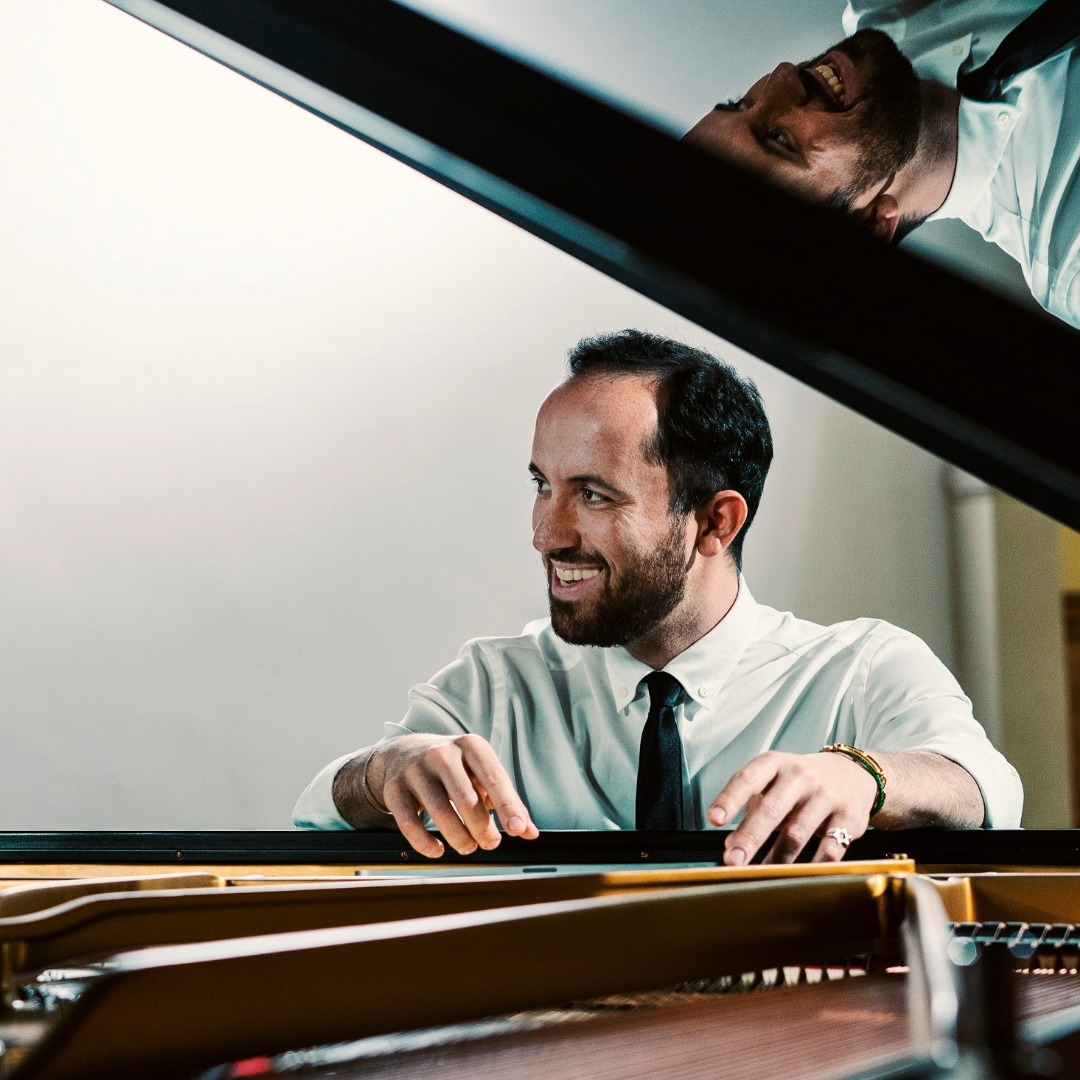
One of the most influential musician on classical scene, Igor Levit makes his debut at Sala 500 for the third concert in the Pianisti del Lingotto series. Widely acclaimed for his Beethoven’s interpretations, the Russian-German pianist presents a program devoted to the evolution of the piano sonata from Classicism to Romanticism. On Monday, March 2nd at 8:30 PM, the recital spans from early Sonata Op. 2 No. 1 by Beethoven to the celebrated “Appassionata” Op. 57, alongside Schumann’s FourNachtstücke Op. 23 and Chopin’s Sonata No. 3 Op. 58.
Igor Levit
Born in Nizhny Novgorod and raised in Germany from the age of eight, Levit studied in Hanover. In 2005 he was the youngest participant at the Arthur Rubinstein International Piano Competition in Tel Aviv, winning second prize. As a leading presence on major international stages, Levit combines his intense concert career with an award-winning discography. His complete recording of Beethoven’s 32 Piano Sonatas (2019) earned him Gramophone’s “Artist of the Year” and the Opus Klassik award, while On DSCH (2021) received top honors from BBC Music Magazine. Deeply committed to the social and civic dimension of music, Levit has also been recognized with the International Beethoven Prize. He received the Gilmore Artist Award in 2018. He has been piano professor in Hanover since 2019 and has served as Co-Artistic Director of the Heidelberger Frühling Music Festival since 2022–23 season.
A journey through the evolution of piano sonata language
The program presents over half-century of transformation in piano writing. Beethoven’s Sonata Op. 2 No. 1 (1795) still reflects the Viennese Classical tradition of Haydn and Mozart. The Sonata Op. 57 “Appassionata” (1804–05) expands the sonata form with structural breadth and expressive unity. Schumann’s Four Nachtstücke, Op. 23 (1839) move away from formal conventions as a series of contrasting, nocturnal visions shaped by poetic freedom. Finally, Chopin’s Sonata No. 3 (1844) offers a significant synthesis: while retaining the piano sonata structure, it reimagines the sonata form through a deeply lyrical idiom.